Have you ever wondered why Everton are called The Toffees or The Toffee Men?
Soccer
By Sean O'Meara
English soccer has some unusual nicknames, but Everton’s is perhaps the least intuitive.
In this article we’re exploring the backstory, the cultural context and why Everton has such an obscure nickname.
From St Domingo's to Everton FC
Everton FC are one of the founder members of the soccer league and one of a handful of teams to have never been relegated from the top flight. The club started out in 1878 as St Domingo’s Football Club.
St. Domingo’s was a Methodist church in the Everton area of Liverpool, the city in which Everton is based. The church operated a few summer sports teams, but members wanted an activity to do in winter, so the church formed a soccer team too.
As members from outside the church joined the club, the St Domingo’s name no longer worked. So in 1879 the club changed its name to Everton FC, simply describing itself by the region in which it was based. It became a club for the entire community.
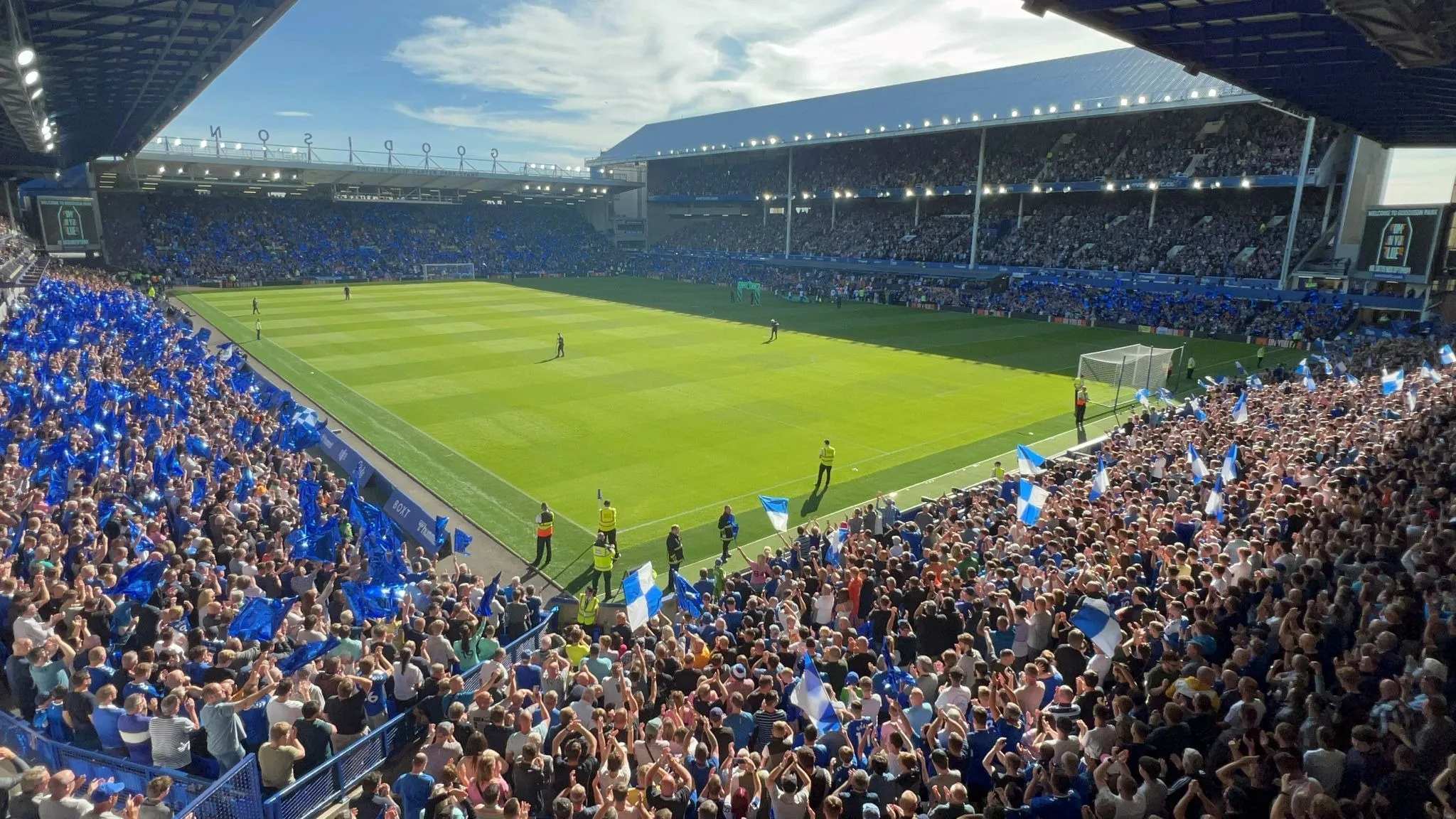
Everton played their games in Stanley Park, which sits squarely between Anfield, home of Everton’s city rivals Liverpool, and Goodison Park, which was Everton’s home until the 2025-2026 season in which they moved to a new home at Bramley-Moore Dock.
Ye Anciente Everton Toffee House and Old Ma Bushell
The nickname “The Toffees” came about by chance more than design. Near to Stanley Park was a shop called Ye Anciente Everton Toffee House, in the historic village of Everton. The shop was run by a woman known as Old Ma Bushell. She’s often credited with inventing the ‘Everton toffee’.
Since the shop was near the ground, Everton fans would stop in and buy treats to eat during the game. It became a tradition and before long, other fans would refer to Everton fans as ‘toffee men’. Although by this time the nickname hadn’t become official.
When Everton moved into their iconic Goodison Park home stadium, Old Ma Bushell was at risk of losing the passing trade on matchdays. So she sought permission from the club to sell her toffees inside the ground. This is where the tradition grew and made the association between Everton fans and toffees into a defining characteristic of the matchday experience.
Goodison Park Stadium, August 2022, Photo: Biloblue
Mother Noblett's toffee shop and the Everton mint
The area of Everton was blessed with popular confectioners. Near to Goodison Park stood a small shop run by a woman called Mother Noblett. Her shop is believed to have pre-dated Goodison Park being a soccer stadium.
Not to be outdone by Ma Bushell, Mother Noblett also developed a popular treat associated with the club. Her black and white striped boiled sweet, called the Everton mint, remains popular today, even outside the city of Liverpool. At the time, fans would remark that the black and white stripes looked like the Everton jersey, which many people don’t realise wasn’t always blue with white trim.
The two shops would compete for match-day customers and both become popular outside of the Everton and Liverpool area. While Ma Bushell had permission to sell her toffees inside the stadium, Mother Noblett would do a roaring trade selling treats to fans on their way to the game.
The Toffee Lady: a matchday tradition that endures
English soccer is full of quaint traditions. And the Everton toffee tradition is no exception. Even today, every Everton home game will feature toffees. In the modern era, the honor of distributing the toffees normally goes to a young fan who gets to walk the perimeter of the field handing out free toffees to fellow supporters.
While the role is unofficially described as the ‘toffee lady’, it can be young children, boys and girls, or groups of supporters who get to carry on the tradition.
Prince Rupert's Tower and the Everton crest
So if Everton is inextricably linked to toffees, why is the main symbol on their badge a tower and not something toffee-related?
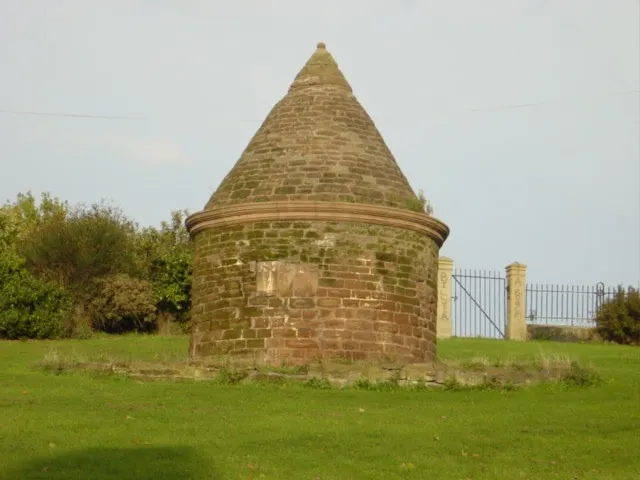
The famous Everton Crest badge fans know and love today was first designed in 1938 by Everton’s then club secretary Theo Kelly. The tower sits in the center, with two laurel wreaths signifying victory at each side. The club’s motto, ‘Nil Satis Nisi Optimum’, sits below. The motto translates roughly as ‘nothing but the best will do.'
Prince Rupert tower, Everton’s FC symbol, Photo: Sue Adar
Every other Everton nickname and what it means
Apart from “The Toffees”, some Everton fans refer to the team casually as ‘The Blues’, referencing the color of their jersey.
Other nicknames include ‘The People’s Club’, which is a more recent development. It’s believed to have originated from former coach David Moyes, who used the description to allude to the working class roots of the club and the more local fanbase compared to rivals Liverpool, who enjoy a global fanbase.
Everton, or more specifically their stadium, is often referred to by fans as ‘The School of Science’. This is very much a local in-joke calling on Everton’s golden era when the team was admired for its intricate passing style.
Why the nickname matters to fans across the Atlantic
Everton FC is less well known globally than city neighbors Liverpool. And to fans of a certain persuasion, the nicknames and tradition are what make Everton special in the absence of Liverpool’s global appeal and glamor. Everton has long been viewed as the ‘poor relation’ in Liverpool soccer hierarchy.
Despite this, Everton does have a large and growing fanbase outside of England, with the United States home to many supporters clubs. The nicknames link distant supporters to the history and culture of the club far more closely than many other nicknames.
Compared to Liverpool’s nickname ‘The Reds’ or Manchester United’s ‘The Red Devils’, Everton’s nickname tells an important story about the people that love the team. The nickname brings context, history and social commentary into the story.
How to trade soccer prediction markets on OG.com
With OG.com, you can buy or sell soccer event contracts, trading your view on the outcome of the upcoming games.
Create an account: Open an account and complete sign-up, including identity verification. You can use our web or mobile platforms.
Browse markets: Explore soccer event contracts.
Review and trade: Compare the market price with your own view. Check the rules, fees, and settlement details before opening a position.
Monitor your position: After trading, your contract appears in your open positions, where you can track price movement as new information comes in.
Everton’s nickname ‘The Toffees’ comes from the local tradition of confectioners selling toffees and other treats inside and around the stadium on matchdays.
Why do English soccer teams have nicknames?
Most English soccer clubs were founded more than 100 years ago, when sport was more strongly linked to a local community. For this reason clubs would be named after the place they were from, with a few notable exceptions. However, a lot of clubs, including Everton, were off-shoots from cricket clubs, so the soccer clubs needed something to set them apart from the other sports teams that shared their local name.
What stadium does Everton play at?
Everton plays at the Hill-Dickinson Stadium. This is the official name of the stadium, to which the Hill-Dickinson legal firm has the naming rights. The stadium is located at Bramley-Moore Dock in Liverpool and many fans refer to it as the ‘Bramley-Moore Dock’ stadium.
What do toffees have to do with Everton?
There were two popular candy stores located close to Everton’s original home at Stanley Park and latterly their home at Goodison Park.
In this article we’re exploring the backstory, the cultural context and why Everton has such an obscure nickname.